The snail plague - and what we can do about it
By Hanna Ashton-Lawson
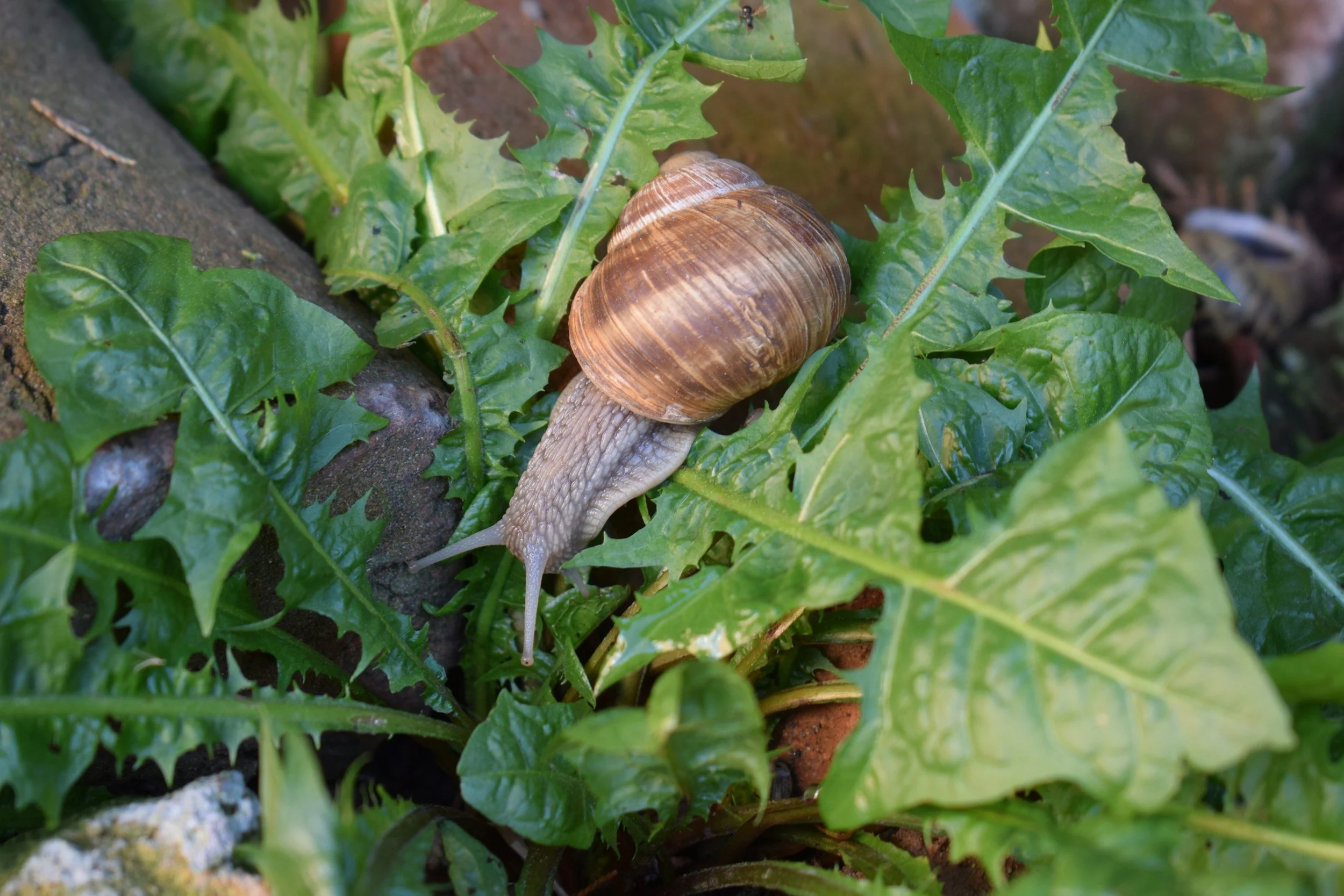
The snails this season have been relentless and insatiable, eating the fruits of our autumn planting, especially our fast-growing leafy green crops. Gardening brings new challenges each season. I remember one year we had a infestation of harlequin bugs in our dahlias. In more recent times we all experienced the little brown caterpillar plague. It feels a lot like a losing battle with the snails this year, but there are some measures that we can take.
Firstly, a reminder that in our community garden we strive for organic gardening principles. Commercial products for snail control permitted on your plot are as follows:
Snail and slug pellets that use iron phosphate EDTA complex as the active compound. Two brands are recommended - Multicrop Multiguard and Eradicate.
Products that contain copper as the active compound.
Slug and snail traps (more on this below!).
Copper barrier tapes.
Commercial products that contain metaldehyde and/or methiocarb compounds are not permitted, and this includes Defender or Blitzem pellets.
In our home garden, we use beer traps with good success. Keeping in mind that they do draw the slugs and snails in, place them in the emptiest spot on your plot. Essentially all you need to do is bury a shallow, recycled container, and half fill it with a cheap beer. It’s irresistable to slugs and snails, as they climb in and meet their end. You can also make one that has a lid, which is better for rainy days, and there is a good tutorial for that here at the Seed Collection. The downside to this one is that it does get pretty gross, so will need to be cleaned out regularly.
Copper tape is a product that I would really like to try for our letterbox, which at last cleanout had about 30 snails lurking inside to decimate our mail. Less practical in our plots, but definitely useful for potted plants if you have some, copper tape is supposed to be effective at keeping snails and slugs at bay.
The Royal Horticultual Society in England conducted tests which concluded that barriers such as pine bark mulch, crushed eggshells and wool pellets were less effective against snails and slugs. Still, it’s worth trying anything for our unique garden conditions.
Duncan Cocking mentions in his excellent Leaf, Root and Fruit blog that he found snails and slugs were attracted to sugar cane mulch, because the byproduct contains sugar and yeasts. These are essentially the exact reasons why slugs and snails crawl into our beer traps! This was unfortunate news for me because we love sugar cane mulch!
Jerry Coleby-Williams from Gardening Australia shares a recipe here to kill snails and slugs with espresso coffee, which could be an expensive but effective control. Coffee grounds sprinkled on the soil can be trialled as well.
Ducks are renowned for snail control, so perhaps we could run it by the committee and see what they think about us adopting a little flock to keep our plants safe?
Unfortunately, the best way to defeat the snails is just old-fashioned hand removal. The experts advise doing this in the dark with a headtorch if you want to level up!